*Please turn on English subtitles.
What is the Japanese Society of Eastern Medicine
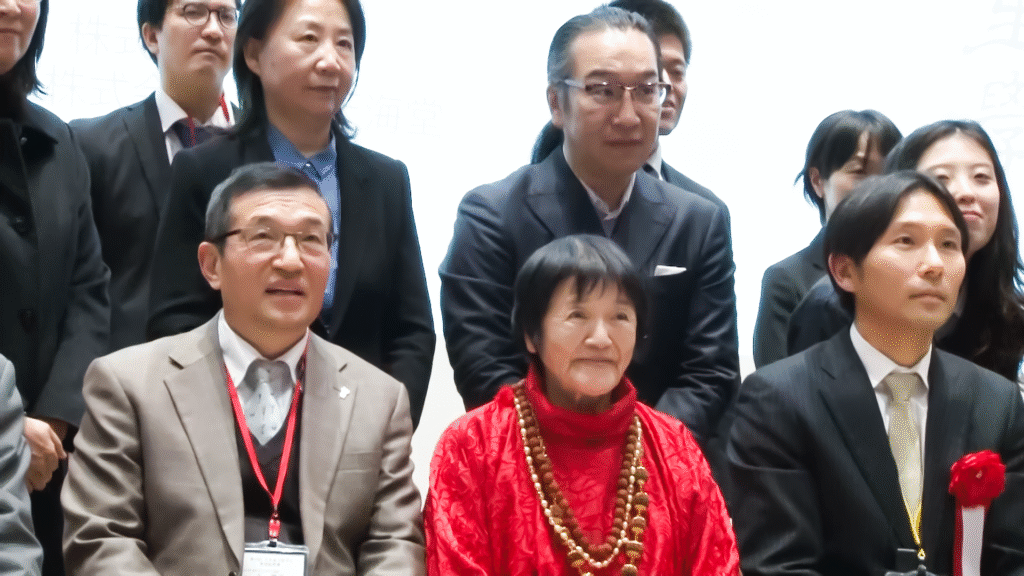
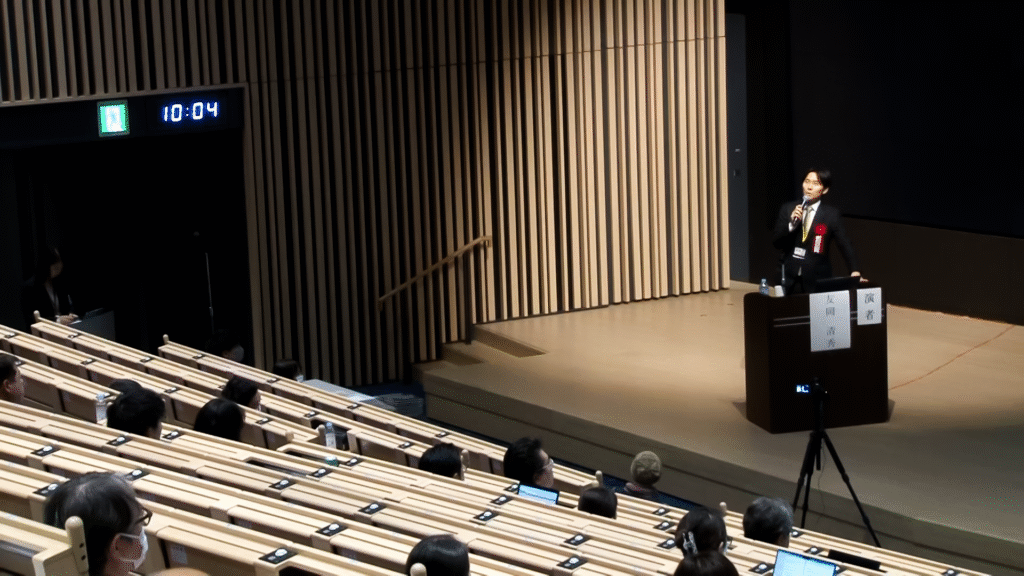
On November 30, 2025, Yogmata Keiko Aikawa was invited to speak at the 43rd Congress of the Japanese Society of Eastern Medicine, held at Juntendo University. In addition to her special keynote address, she also guided the audience through a practical meditation session.
The Japanese Society of Eastern Medicine is a scholarly organization dedicated to the research and promotion of traditional therapies originating in China, Japan, and India—including herbal medicine, acupuncture, and dietary therapy. Its membership is primarily composed of physicians and healthcare professionals.
“Jun-ten-o-jin”: The Keyword Connecting Medicine and Society
While medical conferences typically focus on the exchange of technical expertise, this year’s meeting took a broader approach. To address how medicine can better contribute to society as a whole, the presentations centered on Public Health.
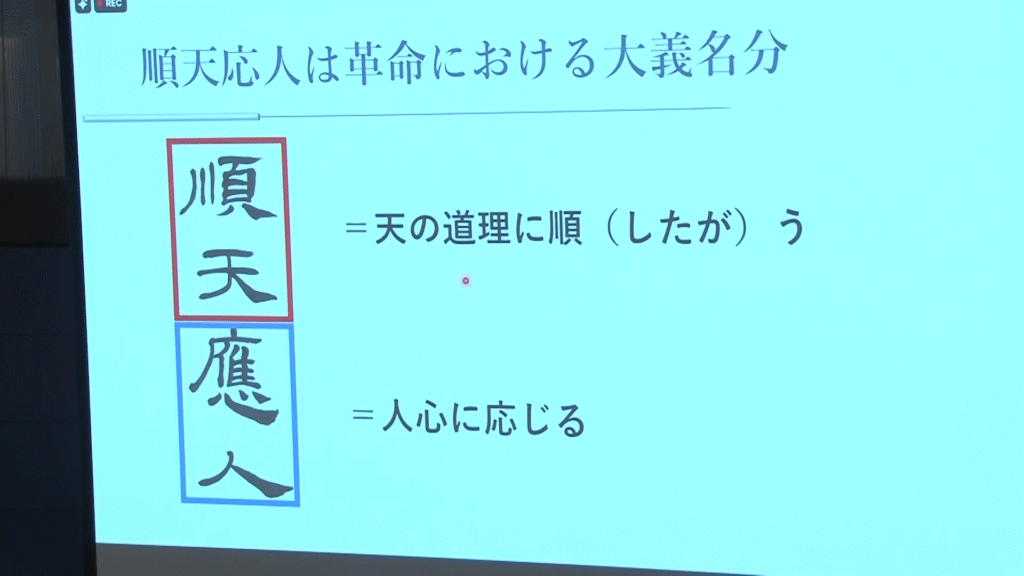
The chosen theme was “Jun-ten-o-jin” (順天応人). This phrase reflects an Eastern philosophy that emphasizes living in harmony with the laws of nature and the universe to achieve human happiness—a concept deeply rooted in Eastern thought, medicine, and Confucian ethics.
Why WHO’s “Well-Being” Aligns with Eastern Medicine
One of the UN’s Sustainable Development Goals (SDGs) is “Good Health and Well-Being.” Since its inclusion, the term “Well-Being” has become a buzzword in business and public policy. However, its roots lie in the World Health Organization’s (WHO) very definition of health:
“Health is a state of complete physical, mental and social well-being and not merely the absence of disease or infirmity.” — Preamble to the Constitution of the WHO
This implies that true health is more than just the absence of illness; it is a state of being completely fulfilled physically, mentally, and socially. During the conference, a vital question was raised: While Western medicine excels at “curing disease,” is Eastern medicine necessary to achieve “Well-Being”? This is because Eastern medicine has long prioritized “holistic health,” which includes harmony between the body, mind, society, and the natural environment.
Bringing Himalayan Wisdom to Modern Medicine
Why did a scientific medical conference invite Yogmata to speak? The organizers shared their insights:
M.D. Masahiko Nagase, President, The Japanese Society of Eastern Medicine
“I believe that medicine, philosophy, and religion are inseparable. Western medicine is rooted in a Christian background, which sometimes feels disconnected from Japanese sensibilities. Since our society studies Asian traditional medicine, we would like to understand the underlying Asian philosophies and religions.”
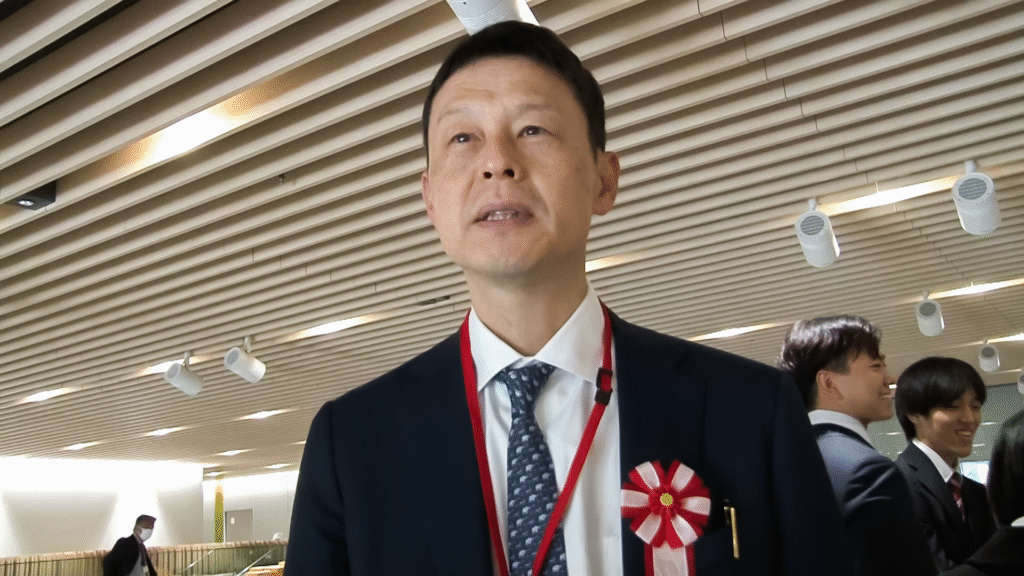
Mr. Kiyohide Tomooka, Chair of the 43rd Congress
“I believe it is crucial to have a medical perspective on the body and the world. From that viewpoint, meditation is an extremely effective practice of looking within oneself.”
Dr. Nagase’s statement—”Medicine, philosophy, and religion are inseparable”—reaches the heart of the matter: all three disciplines seek to answer why we live, why we suffer, and how we should live. The insight that the 5,000-year-old Himalayan teachings might hold the answers to these deep questions is what led to Yogmata’s appearance at this event.
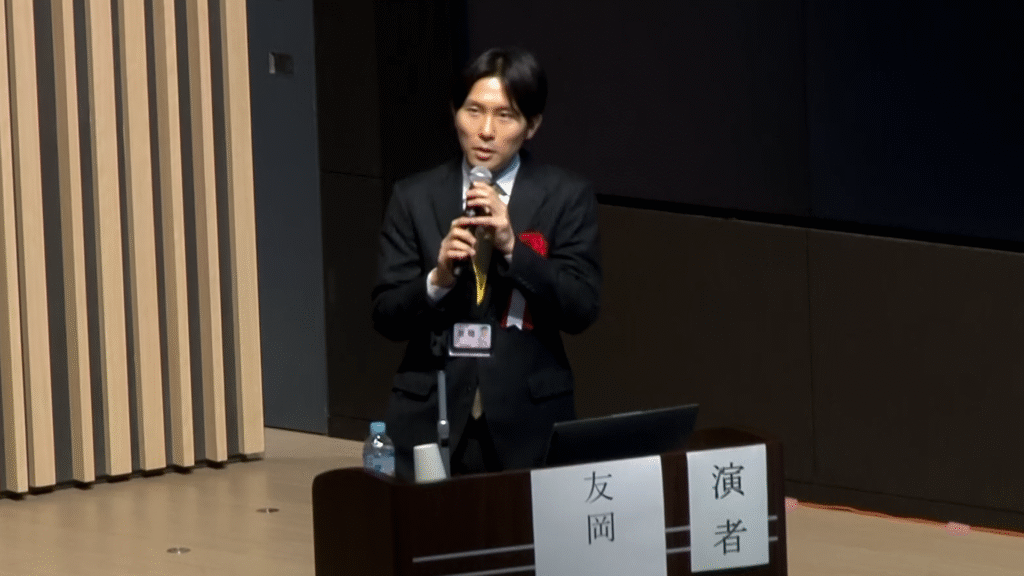
Excerpts from Yogmata’s Keynote Address
“We were sent to this Earth from a place of nothingness. In Indian philosophy, first there is light, then sound, and then the five elements are born. Space appears, then wind; from wind comes fire, followed by the energies of water and earth. These five elements constitute the universe and nature.
We are part of this existence. We have been given this body and mind to experience life, gain awareness, and learn. The purpose of life is to realize our true, pure self. It is about understanding the body, becoming aware of the mind, and discovering the presence within that gives life to everything.
[…]
Attachment causes us to become rigid. Through love, we acknowledge it and let go. As meditation deepens, thoughts dissolve into ‘emptiness.’ In that moment, everything ‘switches off.’ Breathing becomes peaceful, everything grows calm, and instead of consuming energy, you begin to recharge.”

Through these words, Yogmata illustrated the Himalayan view of the world and the body, highlighting the transformative role of meditation.
A New Horizon: Himalayan Teachings and Eastern Medicine
There is no doubt that Western medicine has made immense contributions by overcoming previously incurable diseases. However, the consensus at the conference was that Western medicine does not need to carry the entire burden alone.
“Well-Being” is essentially a modern translation of the state Eastern medicine has aimed for over centuries. By integrating the wisdom and techniques of Eastern medicine with Western practices, we can move toward a future of “True Health.”
We will continue to contribute so that the Himalayan teachings shared by Yogmata can play a vital role in opening these new possibilities for humanity.